
How Table Ordering Systems Reduce Wait Times and Improve Restaurant Service
See how table ordering systems help restaurants reduce wait times, improve order flow, support staff efficiency and create a smoother guest experience.
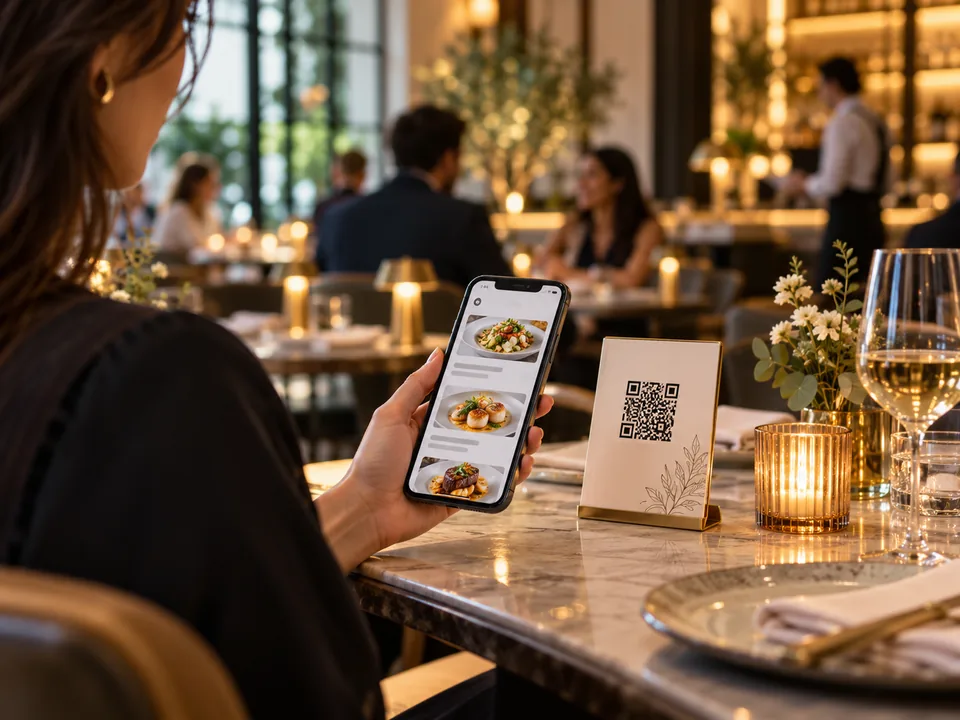
Long waits often damage the restaurant experience before the food even arrives. Guests wait to receive a menu, wait to place an order, wait to ask a question and sometimes wait again just to request the bill. This is why many operators start looking at the practical table ordering system benefits rather than seeing digital ordering as a trend alone.
A good table ordering system for restaurants does not make every interaction automatic. Instead, it removes unnecessary friction from the steps that slow service down. By giving guests a faster path to browse, order and request help, restaurants can reduce avoidable delays and let staff focus on higher-value service moments.
Where wait times usually appear
Most restaurant delays happen in predictable places. Guests may wait to receive a menu, wait for a server to return, wait for item questions to be answered or wait for the bill at the end of the meal. In busy periods even a well-run team can struggle to respond at the ideal moment for every table.
This is where restaurant ordering technology can help. It gives guests a way to start the process themselves while still keeping staff in control of service.
Faster menu access from the start
One of the clearest table ordering system benefits is immediate menu access. As soon as guests sit down, they can scan the code and browse. The service journey starts right away instead of depending on when a printed menu reaches the table.
That first time saving may look small, but across many tables and many service periods it becomes meaningful.
Less waiting to place the first order
Traditional service often depends on a timing match: the guests are ready to order and a server must arrive at the table at that moment. A digital ordering flow reduces that dependency. Guests can decide in their own time and send the order as soon as they are ready.
For restaurants, this means fewer missed moments and a smoother start to meal service.
Clearer orders reduce back-and-forth
Another reason QR ordering benefits are practical is order accuracy. When guests choose modifiers themselves and review the cart before sending, the restaurant receives a clearer order. Fewer missing details means fewer return trips to verify options or correct misunderstandings.
That does not eliminate all questions, but it can reduce unnecessary back-and-forth that slows both the guest and the staff.
Staff can focus where people matter most
A digital system is most valuable when it supports hospitality rather than replacing it. If guests can handle routine steps from the table, staff spend less time on repetitive tasks and more time on service that benefits from a human touch: greeting, recommendations, problem solving, upselling and attention to special needs.
This is one of the strongest table ordering system benefits for busy restaurants. Service becomes better allocated, not less personal.
Waiter calls become more structured
Sometimes guests do not want to place another order. They simply need assistance. In a connected system, a guest can call a waiter or request the bill from the same interface. This reduces the need to search visually for staff or wait for someone to pass by.
Because the request is linked to the table, the team receives clearer context and can respond faster.
Better performance during peak periods
During busy lunch and dinner windows, small delays multiply. A table ordering system for restaurants helps absorb some of that pressure because several tables can browse and order in parallel without waiting for exactly the same staff interaction.
This can improve service flow during rush periods even when the restaurant is full.
Can digital ordering improve table turnover?
In some operations, yes. Faster menu access, quicker ordering and simpler bill requests can help reduce total service time. That does not mean restaurants should rush guests. It means friction is reduced in the moments where waiting adds no value to the experience.
For high-volume restaurants, that can translate into more efficient service and better use of seating capacity.
What restaurants should measure
If the goal is to reduce restaurant wait times, operators should measure more than impressions. Useful metrics include time from seating to first order, average response time for waiter calls, time from bill request to payment completion, order accuracy and guest feedback about ease of use.
Those signals show whether the system is improving the real service journey.
What makes a table ordering system effective?
- Fast mobile loading so guests do not lose patience before they begin.
- Clear category structure so people can find items quickly.
- Modifier support for real menu customization.
- Table context so staff know where requests and orders come from.
- Support for waiter calls and bill requests from the same guest flow.
- Good staff visibility in the administration side.
Table ordering is not only about speed
It is easy to focus only on minutes saved, but restaurant service efficiency also affects comfort. Guests feel more in control when they can browse, order and request help without uncertainty. Staff feel more supported when requests arrive in a structured way. That combination can make the entire dining experience feel smoother.
How QRNeto supports faster restaurant service
QRNeto Restaurants is designed to connect mobile menu browsing with real table workflow. Guests can order from the table, review item options, call a waiter and request the bill from one mobile experience. Restaurants keep control of menu content, ordering structure and service flow while staff receive requests with practical context.
To understand the mechanics behind the guest flow, read How QR Code Ordering Works in a Restaurant and What Is a QR Menu and Table Ordering System?.
Key takeaway
The biggest table ordering system benefits come from reducing avoidable waiting. When guests can start sooner, order clearly and request service without friction, restaurants improve speed and service quality at the same time.