
QR Ordering vs Traditional Waiter Ordering: Which Is Better for Restaurants?
Compare QR ordering with traditional waiter ordering across speed, hospitality, accuracy, guest choice, staff workload and service quality.
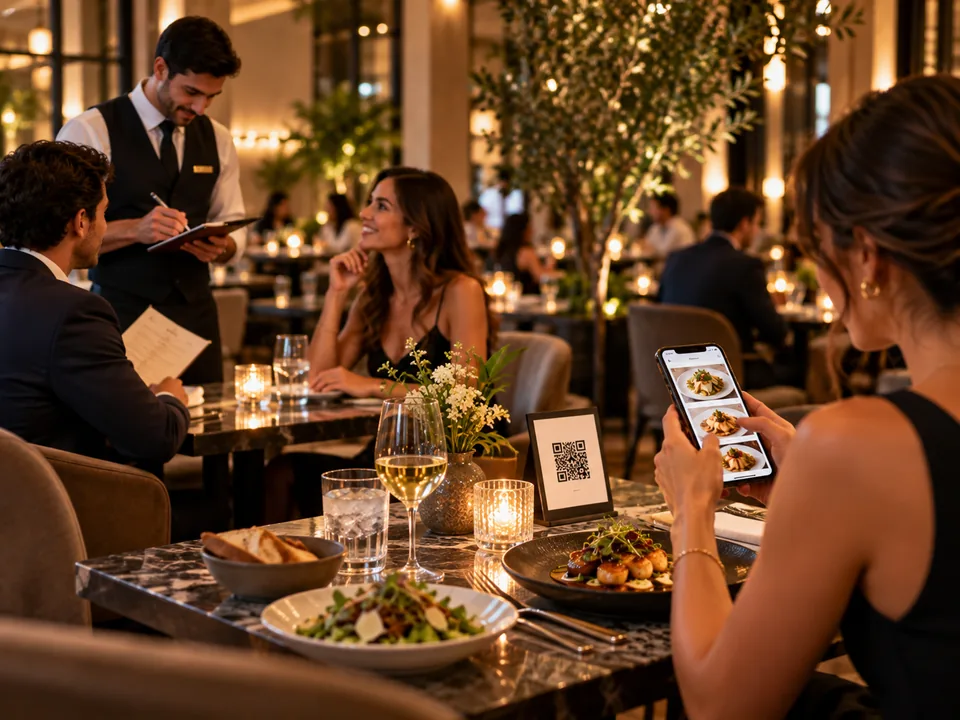
The debate around QR ordering vs traditional waiter ordering is often framed as a choice between technology and hospitality. In practice, the better question is which parts of the restaurant journey benefit from digital self-service and which parts are stronger when handled by a person.
QR ordering can reduce waiting and give guests more control. Traditional waiter service can provide recommendations, personal attention and a stronger sense of hospitality. Many restaurants do not need to choose one method for every interaction. A hybrid model can use each where it works best.
How traditional waiter ordering works
In the traditional model, a server greets the table, presents or explains the menu, answers questions, takes the order and returns for additional requests. The experience depends heavily on staff availability, training and timing.
This model can feel highly personal when service is attentive. It can also create waiting when the restaurant is busy or when several tables need attention at the same moment.
How QR ordering works
With restaurant QR ordering, guests scan a table QR code and open a digital menu on their phone. Depending on the system, they may browse categories, view photos and descriptions, choose modifiers, add items to a cart and send an order without waiting for a server to take it.
A complete system may also support waiter calls, additional rounds, bill requests and status updates. If you want the full workflow, see How Does QR Code Ordering Work in a Restaurant?.
Speed: QR ordering can reduce the first wait
One clear advantage of digital ordering is that guests can start as soon as they sit down. They do not have to wait for a menu or for a server to become available before browsing.
That can be useful during peak periods. It does not automatically make the kitchen faster, but it can reduce front-of-house waiting around menu access and order capture. Our guide on table ordering system benefits looks at that distinction in more detail.
Hospitality: waiter service still has a major role
Restaurants are not only transaction points. Guests may want recommendations, help choosing wine, guidance about allergies, reassurance about an unfamiliar dish or simply a warm human interaction. Skilled servers add value that a digital menu cannot fully reproduce.
This is why QR ordering should not be treated as a reason to remove hospitality. It is more useful as a tool that handles routine actions while staff focus on moments where personal service matters.
Order accuracy and modifiers
A well-designed QR flow can make customization clearer. Guests can see available modifiers, choose options and review the cart before sending the order. This can reduce misunderstandings caused by rushed verbal communication.
However, digital ordering is only accurate if the menu data is accurate. Incorrect modifiers, unavailable items or unclear descriptions can create a different kind of problem. Restaurants still need good menu management and staff oversight.
Menu presentation and updates
Digital menus can show photos, detailed descriptions, dietary information, allergens and updated prices without reprinting. Printed menus remain familiar and can support the atmosphere of a restaurant, especially in fine dining or concept-driven venues.
The comparison is not only about ordering. Restaurants should also consider how guests prefer to browse. The guide QR Menu vs Printed Menu covers that part of the decision separately.
Guest control and pacing
Some guests like being able to browse and order at their own pace. They can add another drink or dish when they are ready instead of waiting to catch a server’s attention. This can make casual dining, bars and high-volume venues feel more convenient.
Other guests prefer the structure of a server-led meal. They may not want to use a phone at the table or may need help navigating the menu. A restaurant should consider its audience rather than assuming one behavior fits everyone.
Staff workload
Digital ordering vs waiter ordering changes where staff spend time. QR ordering can reduce repetitive tasks such as delivering menus, taking simple reorders or answering basic menu questions. That may give staff more time for food running, table care, recommendations and problem solving.
It does not eliminate operational work. Orders still need to be prepared, checked, delivered and supported. The value comes from reallocating attention, not pretending service no longer requires people.
Upselling and recommendations
Traditional servers can recommend pairings and adapt suggestions based on a conversation. Digital menus can consistently display add-ons, popular items and modifiers at the right point in the ordering flow.
Both approaches can support upselling, but they do it differently. Human recommendations can feel personal, while digital suggestions can be systematic and visible to every guest.
Accessibility and device preferences
Not every guest wants or is able to use a smartphone comfortably. Battery level, screen size, connectivity, visual needs and personal preference all matter. Restaurants should maintain a practical alternative when needed.
A flexible service model avoids turning QR ordering into a barrier. Technology should expand choice, not remove it.
Which model is better for different restaurants?
- Fast casual and high-volume venues: QR ordering can reduce queueing and repeated order-taking work.
- Bars and social dining: guests may value the ability to add rounds without waiting for a server.
- Full-service restaurants: a hybrid model can combine digital convenience with active waiter service.
- Fine dining: personal service may remain central, while QR can still support selected information or secondary service moments.
- Multilingual tourist locations: digital menus can make menu information easier to understand across languages.
The hybrid approach is often the strongest
For many restaurants, the best answer to QR ordering vs waiter service is not either-or. Guests can scan a QR code to browse, order or request assistance while servers remain visible and available. A waiter can still welcome the table, explain specials and provide personal recommendations.
This gives guests choice and lets the restaurant decide which interactions should be automated and which should stay human.
Questions to ask before choosing
- Do guests currently wait too long to receive menus or place orders?
- How complex are item modifiers and dietary questions?
- Would staff benefit from fewer repetitive order-taking steps?
- Does the restaurant serve many international guests?
- Is personal table service part of the brand experience?
- Can guests still reach a waiter easily when they want one?
How QRNeto supports a hybrid restaurant experience
QRNeto Restaurants is designed to connect multilingual digital menus, table ordering, item modifiers, waiter calls, bill requests and order status in one browser-based guest experience. Restaurants can use those tools without treating the QR code as a replacement for their service team.
The objective is to make routine actions easier while keeping staff available for hospitality and support. You can explore QRNeto Restaurants or start with What Is a QR Menu and Table Ordering System? for the broader system overview.
Key takeaway
In the comparison of QR ordering vs traditional waiter ordering, neither method is universally better. QR ordering is strong at speed, menu access and guest-controlled actions. Waiter service is strong at personal attention, judgment and hospitality. For many restaurants, combining both creates the most flexible experience.